Ever wondered what truly makes a performance management system software worth your investment?
It’s not about AI-powered insights, gamification, custom dashboards, or simply what everyone else is using. It’s about driving meaningful growth, improving feedback loops, and helping your team perform at their best. Consistently!
According to a Gartner HR Research study, 74% of organizations have shifted to some form of ongoing performance feedback model, and 87% of HR leaders report that annual reviews alone are “insufficient for driving engagement and retention.”
Companies using modern performance management models see 85% higher engagement and 31% lower turnover.
Here’s what matters in 2026: AI-driven insights, seamless integrations, and systems that actually work for your team.
The right performance management software creates a culture of growth, not just another admin task.
This guide covers everything you need to know about choosing and implementing the best employee performance management software. From understanding core features to avoiding common pitfalls, we’ll help you find a system that actually drives results for your organization.
What is Employee Performance Management Software?
Employee performance management software is a digital platform that helps organizations track, measure, and improve employee performance throughout the year, not just during annual reviews.
Think of it as the central hub where:
- Managers and employees set goals, track progress, and have meaningful conversations about development
- HR teams gather performance data, identify trends, and make informed decisions about talent
- Leadership aligns individual contributions with company objectives and business outcomes
Modern performance management software goes beyond traditional review forms. It enables continuous feedback, real-time goal tracking, 360-degree assessments, and data-driven insights that help both employees and organizations grow.
Instead of treating performance management as a once-a-year checkbox exercise, the right software transforms it into an ongoing dialogue that drives engagement, productivity, and retention.
Why Do You Need Employee Performance Management Software?
Manual performance reviews and spreadsheet tracking might have worked when your team was small, but as organizations grow, these approaches quickly become unsustainable and ineffective.
Here’s why modern teams need dedicated performance management software:
1. Move from annual reviews to continuous growth
Traditional once-a-year reviews are too infrequent to drive real improvement. By the time feedback is delivered, the context is lost, and opportunities for course correction have passed. Performance management software enables regular check-ins, real-time feedback, and ongoing conversations that keep employees engaged and growing throughout the year.
2. Align individual goals with business objectives
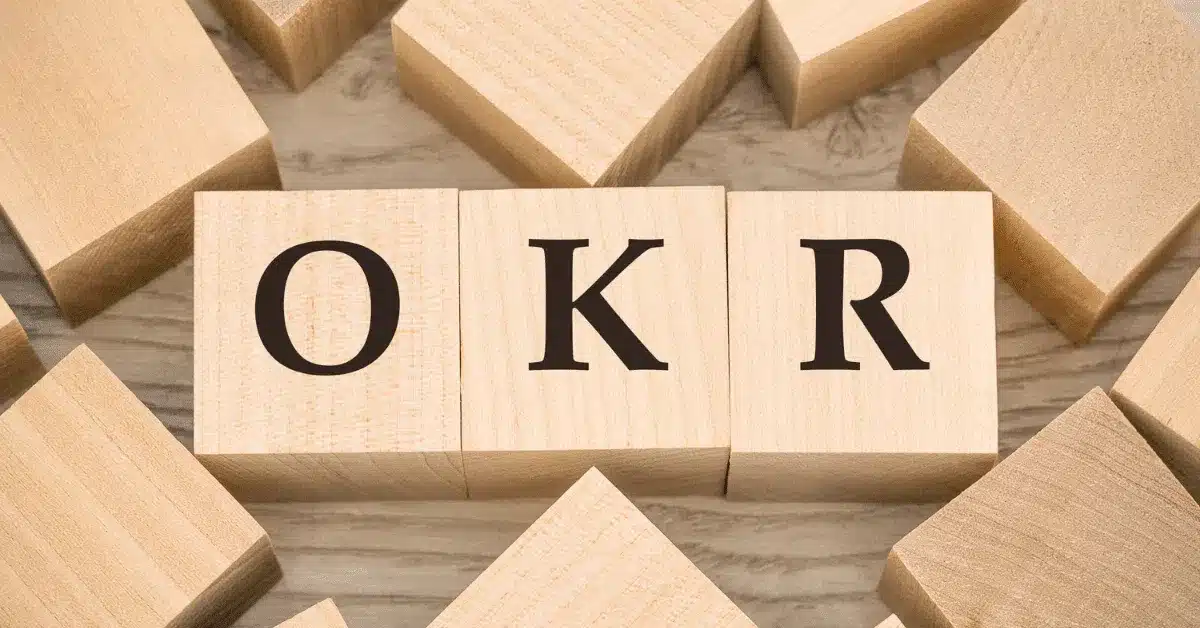
When employees don’t understand how their work connects to company goals, engagement drops, and priorities get misaligned. The right software creates clear visibility between individual OKRs and organizational strategy, ensuring everyone is working toward the same outcomes.
3. Make decisions based on data, not gut feeling
Without centralized performance data, promotion decisions, compensation reviews, and talent planning rely too heavily on intuition. Performance management software provides objective insights, consistent evaluation criteria, and trend analysis that support fair, evidence-based decisions.
4. Reduce manager burden and administrative overhead
Coordinating review cycles, chasing down feedback, and compiling performance data manually consume valuable time. Automated workflows, reminders, and centralized tracking free managers to focus on what matters most: coaching and developing their teams.
5. Create a culture of accountability and transparency
When performance expectations and feedback are scattered across emails and documents, accountability suffers. A unified system creates transparency around goals, progress, and development plans, building trust and ownership across the organization.
6. Identify skill gaps and development opportunities early
Waiting until review season to discover performance issues or skill gaps is too late. Continuous tracking and AI-driven insights help spot trends early, allowing you to address challenges and invest in development before small issues become bigger problems.
The right employee performance management software doesn’t just digitize old processes; it transforms how your organization thinks about growth, feedback, and performance itself.
What Are the Must-Have Features of Your Employee Performance Management Software?
With countless options in the market, it’s easy to get distracted by flashy features that sound impressive but don’t solve real problems. The key is focusing on capabilities that make performance management more effective, not just more complex.
Here are the essential features to prioritize:
1. Continuous feedback and check-ins
Annual reviews are outdated. Your software should support regular one-on-ones, real-time feedback, and ongoing conversations. This keeps performance management relevant and allows for quick course corrections instead of waiting months to address issues.
2. Goal setting and OKR alignment
Employees need to understand how their work connects to company objectives. Look for software that enables clear goal cascading, tracks progress transparently, and aligns individual OKRs with team and organizational priorities.
3. 360-degree feedback
Performance isn’t one-dimensional. The ability to gather input from managers, peers, direct reports, and even cross-functional collaborators provides a complete picture of someone’s contributions, strengths, and development areas.
Explore the top 360-degree feedback tools to understand what works best.
4. Performance calibration tools
Consistency matters when evaluating performance across teams. Calibration features like 9-box grids and comparative analytics help ensure fair, unbiased assessments and identify high performers ready for advancement.
5. Customizable review templates
Every organization has unique evaluation criteria and cultural values. Your software should offer flexibility to create review forms, competency frameworks, and assessment scales that reflect what matters most to your business.
6. Real-time analytics and reporting
Waiting for quarterly reports to understand performance trends delays action. Real-time dashboards, trend analysis, and predictive insights help managers and HR leaders make timely, data-driven decisions.
7. Seamless integrations
Your performance management software shouldn’t exist in isolation. Integration with HRIS, payroll, Slack, Microsoft Teams, and project management tools ensures data flows smoothly and reduces manual entry.
8. Mobile accessibility
Remote and hybrid teams need access anywhere. Cloud-based, mobile-friendly software ensures employees and managers can give feedback, track goals, and complete reviews from any device.
9. AI-driven insights and recommendations
The best systems go beyond data collection; they provide intelligent recommendations. AI can identify skill gaps, suggest development plans, predict flight risk, and surface trends that humans might miss.
10. User-friendly interface
If the software is confusing or clunky, people won’t use it. An intuitive interface encourages regular engagement and reduces the training burden for both employees and managers.
11. Security and compliance
Performance data is sensitive. Ensure your chosen software offers robust encryption, role-based access controls, and compliance with regulations like GDPR and SOC 2.
By focusing on these features, you’ll choose a system that drives meaningful improvement rather than just adding another tool to your stack.
What Are the Common Challenges in Employee Performance Management?
Even with the right software, performance management doesn’t always go smoothly. Understanding common obstacles helps you prepare for them and build strategies to overcome resistance.
1. Resistance to change
People are comfortable with familiar processes, even if those processes aren’t effective. Introducing new software can trigger anxiety, skepticism, or outright pushback, especially if past implementations failed or felt like added busywork.
How to address it: Engage employees early with clear communication about why the change matters and how it benefits them directly. Share success stories, involve champions from different teams, and address concerns openly. Make the value personal, not just organizational.
2. Inconsistent adoption across teams
Even after launch, adoption can be uneven. Some managers embrace the system while others continue using spreadsheets or skip check-ins altogether. This creates data gaps and undermines the cultural shift you’re trying to build.
How to address it: Provide ongoing training, not just one-time onboarding. Hold managers accountable for using the system consistently. Highlight teams that are seeing results and create internal case studies that demonstrate impact.
3. Integration and data accuracy issues
When performance management software doesn’t integrate properly with existing tools, you end up with data silos, duplicate entries, and inaccurate reporting. This erodes trust in the system and adds frustration.
How to address it: Prioritize integration capabilities during vendor selection. Work closely with IT during implementation to ensure seamless data flow. Regularly audit data quality and address discrepancies quickly.
4. Feedback that feels forced or inauthentic
Continuous feedback is only valuable if it’s meaningful. When managers treat it as a checkbox exercise or employees receive generic comments, the system loses credibility and engagement drops.
How to address it: Train managers on how to give constructive, specific feedback. Provide examples and templates that demonstrate quality. Create a culture where feedback is expected, normalized, and genuinely helpful, not just software compliance.
5. Goal misalignment and unclear priorities
If goals aren’t properly cascaded or employees don’t understand how their work connects to company objectives, the entire performance management system becomes disconnected from business outcomes.
How to address it: Establish clear goal-setting frameworks from the top down. Ensure leadership communicates strategic priorities and each team translates them into actionable OKRs. Review alignment regularly, not just during review cycles, following proven principles of performance management.
6. Lack of follow-through on development plans
Creating development plans during reviews is easy. Actually executing them is where most organizations fail. When employees don’t see progress on commitments, trust in the process erodes.
How to address it: Build accountability into the system. Track development plan progress as rigorously as performance metrics. Make growth conversations part of regular one-on-ones, not just annual events.
7. Overemphasis on metrics at the expense of context
Data-driven decisions are important, but relying too heavily on quantitative metrics can miss crucial context, especially for roles where impact is harder to measure numerically.
How to address it: Balance quantitative data with qualitative insights. Encourage narrative feedback alongside ratings. Train evaluators to consider the full picture, not just the numbers.
By anticipating these challenges and building mitigation strategies into your implementation plan, you’ll increase the likelihood of long-term success.
Best Practices for Employee Performance Management
Choosing the right software is only half the battle. How you use it determines whether performance management becomes a powerful growth engine or just another underutilized tool.
Here are the practices that separate successful implementations from failed ones:
1. Make feedback continuous, not episodic
Replace the outdated annual review with ongoing conversations. Schedule regular one-on-ones, encourage real-time recognition, and normalize feedback as part of daily work, not something that only happens during formal review cycles.
2. Align goals from top to bottom
Start with clear organizational objectives, cascade them to teams, and ensure individual goals connect directly to business outcomes. When employees see how their work contributes to the bigger picture, engagement and accountability rise. Implement employee SMART goals to ensure clarity and measurability.
3. Focus on development, not just evaluation
Performance management should be forward-looking. Use reviews to identify growth opportunities, create actionable development plans, and invest in skills that will drive future success, not just assess past performance.
4. Train managers to coach, not just rate
Managers are the linchpin of effective performance management. Equip them with coaching skills, teach them how to give specific and constructive feedback, and help them facilitate meaningful development conversations.
5. Leverage data without losing the human element
Use analytics to spot trends, identify skill gaps, and inform decisions, but don’t let data replace judgment. Performance is nuanced, and the best evaluations balance quantitative metrics with qualitative context.
6. Encourage peer and 360-degree feedback
Managers don’t have the full picture. Incorporating feedback from peers, direct reports, and cross-functional collaborators creates a more complete and fair assessment while strengthening team relationships. Explore more about 360-degree feedback.
7. Calibrate performance ratings across teams
Avoid the problem where one manager is an easy grader while another is tough. Calibration sessions ensure consistency, fairness, and transparency in how performance is evaluated across the organization.
8. Celebrate wins and recognize contributions regularly
Don’t wait for review season to acknowledge great work. Regular recognition, public and private, reinforces positive behaviors, boosts morale, and strengthens performance culture.
9. Make the system simple and accessible
Complexity kills adoption. Choose software that’s intuitive, minimize the number of clicks required to complete tasks, and ensure mobile access so employees and managers can engage from anywhere.
10. Iterate and improve based on feedback
Performance management isn’t set-it-and-forget-it. Regularly gather feedback from users, identify pain points, and refine your approach. The best systems evolve with your organization’s needs.
These practices transform performance management from an administrative burden into a strategic advantage, one that drives employee growth, business results, and a culture of continuous improvement.
How to Choose the Best Employee Performance Management Software in 2026?
The market is crowded with options, and every vendor claims to be the “best.” But the right choice isn’t about popularity; it’s about fit.
Here’s a practical 10-step framework to evaluate software based on what actually matters.
Step 1: Identify your specific pain points and objectives
Before looking at features, understand your unique challenges, such as:
- Infrequent feedback
- Misaligned goals
- Inconsistent evaluations
- Poor manager adoption
Your pain points should guide your requirements, not vendor marketing. Define clear objectives for what you want the software to achieve.
Step 2: Assess cultural alignment and working style
Software that conflicts with your company’s values will face resistance.
- If you prioritize transparency and collaboration → choose systems with open feedback and goal visibility
- If you focus on efficiency and precision → look for strong analytics and streamlined workflows
Consider how your team actually works, not how you wish they worked.
Step 3: Evaluate ease of use and user experience
Test the interface yourself by checking:
- Is navigation intuitive?
- Can managers complete reviews quickly?
- Do employees find it approachable?
Request demos and trial accounts. Simplicity often beats complexity. If your team won’t use it, even the best features are worthless.
Step 4: Check scalability and future readiness
Choose software that can grow with you, especially if you plan to:
- Expand your team
- Enter new markets
- Add organizational complexity
Ensure the system can handle increased users, customization, and reporting needs without a full overhaul.
Step 5: Verify integration capabilities with existing tools
Your performance management software should connect seamlessly with:
- HRIS systems
- Payroll tools
- Slack
- Microsoft Teams
- Project management platforms
Poor integration creates data silos and manual work. Test integrations thoroughly and confirm reliable data sync.
Step 6: Prioritize continuous feedback over periodic reviews
The future of performance management is real-time and ongoing.
Make sure the software supports:
- Regular check-ins
- Real-time feedback
- Continuous goal tracking
Not just annual or quarterly reviews. Also, review how well strategies for managing employee performance can be implemented through the platform.
Step 7: Confirm customization and flexibility options
Every organization is different. The software should allow customization of:
- Review templates
- Competency frameworks
- Goal structures
- Workflows
Avoid rigid systems that force you to adapt to their processes.
Step 8: Review security, compliance, and data protection
Performance data is sensitive. Ensure the platform offers:
- Strong encryption
- Role-based access controls
- Compliance with regulations (GDPR, SOC 2, etc.)
Ask vendors about their security practices and audit history.
Step 9: Understand the total cost of ownership and pricing structure
Compare pricing models carefully, including:
- Per-user pricing
- Flat fees
- Tiered plans
Also factor in:
- Implementation costs
- Training
- Support
- Customization
Consider how pricing scales as your organization grows.
Step 10: Test with a pilot and gather real user feedback
Before rolling out company-wide:
- Run a pilot with a small team or department
- Collect feedback
- Identify issues
- Refine your approach
Read reviews on G2 and Capterra, and ask vendors for references from similar companies.
By following this 10-step framework, you’ll cut through the noise and select employee performance evaluation software that actually drives results, not just checks boxes.
Matching Performance Tools to Employee Needs
Here’s a structured chart based on different employee segments and their specific performance management needs:
1. New Joiner (0–3 Months)
|
Key Needs
|
Relevant Peoplebox.ai Product
|
Purpose
|
|
Clear onboarding process
|
OKRs
|
Set clear, measurable goals from day one to give direction.
|
|
Early feedback and course correction
|
Continuous Feedback
|
Ensure quick adjustments and alignment.
|
|
Role clarity and team integration
|
360-Degree Feedback
|
Provide clarity on team expectations and responsibilities.
|
|
Manager check-ins
|
Manager 1:1s
|
Foster strong manager-employee relationships early on.
|
|
Performance tracking
|
AI-Driven Insights
|
Monitor early performance trends and recommend improvements.
|
2. Junior-Level Employee (3–12 Months)
|
Key Needs
|
Relevant Peoplebox.ai Product
|
Purpose
|
|
Performance reviews
|
360-Degree Feedback
|
Identify strengths and areas for improvement.
|
|
Goal alignment
|
OKRs
|
Keep individual goals aligned with business goals.
|
|
Career development discussion
|
Manager 1:1s
|
Help employees understand career growth opportunities.
|
|
Skill building
|
AI-Driven Insights
|
Recommend training based on performance gaps.
|
|
Peer feedback
|
360-Degree Feedback
|
Encourage collaborative feedback from team members.
|
3. Mid-Level Employee (2–3 Years)
|
Key Needs
|
Relevant Peoplebox.ai Product
|
Purpose
|
|
Career progression
|
OKRs, Growth Path
|
Set and track career goals.
|
|
Fair evaluation
|
Performance Calibration
|
Ensure consistent and unbiased performance reviews.
|
|
Professional growth opportunities
|
AI-Driven Insights
|
Identify growth areas and skill gaps.
|
|
Feedback from multiple sources
|
360-Degree Feedback
|
Provide a complete view of performance.
|
|
Recognition and reward
|
Manager 1:1s
|
Create opportunities for recognition and motivation.
|
4. Senior-Level Employee (5+ Years)
|
Key Needs
|
Relevant Peoplebox.ai Product
|
Purpose
|
|
Promotion readiness
|
Performance Calibration
|
Ensure fair and transparent evaluation for promotions.
|
|
Leadership development
|
360-Degree Feedback
|
Identify leadership skills and areas for improvement.
|
|
Strategic goal setting
|
OKRs
|
Align personal goals with company strategy.
|
|
Retention and motivation
|
Manager 1:1s
|
Keep senior employees motivated and engaged.
|
|
Peer and cross-functional feedback
|
360-Degree Feedback
|
Broader feedback to support strategic decisions.
|
5. Leadership and Strategic Role (10+ Years)
|
Key Needs
|
Relevant Peoplebox.ai Product
|
Purpose
|
|
Leadership impact measurement
|
AI-Driven Insights
|
Track how leadership decisions affect business goals.
|
|
Business-wide goal alignment
|
OKRs
|
Ensure that executive goals drive business growth.
|
|
Strategic decision support
|
AI-Driven Insights
|
Provide insights to guide high-stakes decisions.
|
|
Leadership consistency
|
Performance Calibration
|
Maintain consistent leadership performance standards.
|
|
Cross-functional collaboration
|
360-Degree Feedback
|
Ensure executive alignment with other business units.
|
Now that we’ve explored the different employee needs, let’s dive deeper into how Peoplebox.ai makes it all happen.
How to Implement Employee Performance Management Software?
Buying the software is the easy part. Successfully implementing it across your organization requires strategy, communication, and ongoing commitment. Here’s an 8-phase approach to increase your chances of adoption and long-term success.
Phase 1: Stakeholder engagement and goal setting
Involve managers, HR professionals, and IT teams from the beginning.
Collaboration helps
- To anticipate challenges
- Align the software with existing workflows
- build buy-in before launch
Define clear objectives for what you want the software to achieve. Establish success metrics like feedback frequency, goal completion rates, or engagement scores.
Phase 2: Communication and change management
Explain how the new system benefits employees directly:
- Better feedback
- Clearer growth paths
- More transparency
Address concerns honestly and emphasize that this isn’t about surveillance; it’s about support. Create a communication plan that reaches all levels of the organization and sets realistic expectations about the transition.
Phase 3: System configuration and customization
Work with your vendor to customize:
- Review templates
- Competency frameworks
- Goal structures
- Workflows
to match your culture and processes. Configure integrations with HRIS, payroll, and communication tools. Set up role-based access controls and ensure data security protocols are in place.
Phase 4: Pilot program and testing
Roll out the software to a small group or single department first. Choose a team that’s likely to be receptive and can provide constructive feedback.
- Test all features thoroughly
- Identify technical issues
- Refine your approach based on real usage
Use this phase to create case studies that demonstrate value.
Phase 5: Comprehensive training and enablement
Conduct hands-on training sessions for all users, from executives to frontline employees.
Offer multiple formats:
- Live workshops
- Online tutorials
- Written guides
- Ongoing support resources
Train managers specifically on how to give effective feedback and facilitate meaningful performance conversations, not just how to use the software.
Phase 6: Phased rollout and expansion
After refining based on pilot feedback, expand to additional departments or teams in waves. This controlled approach allows you to address issues before they become widespread and gives you time to build momentum through early successes. Monitor adoption metrics closely during each phase.
Phase 7: Continuous feedback and optimization
Implementation doesn’t end at launch. Regularly gather user feedback through
- Surveys
- Focus groups
- Usage analytics
Conduct post-implementation reviews to identify pain points and opportunities for improvement. Make adjustments based on what you learn and communicate changes clearly to users.
Phase 8: Sustained accountability and reinforcement
Hold managers accountable for using the system consistently. Make system usage part of performance expectations. Recognize and reward teams that engage effectively. Celebrate early wins and share success stories to maintain momentum. Review your performance management planning regularly to ensure continued alignment with business goals.
By focusing on stakeholder alignment, thorough training, seamless integration, and ongoing feedback, you create a resilient performance management system that drives engagement, improves performance, and supports long-term business success.
Looking Ahead: Future Trends in Employee Performance Management
The future of performance management is evolving rapidly, driven by technology and a growing focus on employee well-being. Here’s what to expect:
1. Shift to real-time feedback
Future performance management system software will focus on continuous, real-time feedback rather than periodic reviews, allowing for quicker adjustments and more responsive performance management.
2. Advanced AI and predictive analytics
AI-driven insights will help adjust performance strategies and create personalized development plans, improving decision-making and employee growth.
3. Holistic employee well-being and engagement
Future employee performance review software will track not only productivity metrics but also employee satisfaction and engagement levels, fostering a more balanced and healthier work environment.
4. Data-driven performance improvement
Aligning feedback with performance reports and organizational objectives will create a high-performing workforce. Regularly collecting feedback and analyzing trends will drive long-term success.
Staying ahead of these trends with timely feedback will help organizations build more adaptable, engaged, and successful teams.
How Well Do You Know Performance Management?
You’re checking in with your team. How do you make sure it’s more than just a casual chat?
Hold one-on-one meetings to give personalized feedback and track progress. These are your chance to dive deep into challenges and set the stage for growth.
Want to know how your employee is really doing? Ask everyone around them!
Use 360-degree feedback for a full-circle view. Get insights from managers, peers, and reports to spot strengths and areas for improvement.
Got a star performer? How do you know if they’re ready to level up?
Use the 9-box grid to evaluate performance and potential. This helps identify top performers and future leaders who are ready for promotion.
How do you keep your team focused on what matters most?
Set OKRs (Objectives and Key Results) to align everyone with clear goals. This ensures everyone’s working towards the same big picture.
Meet Tara and Nova: The AI Duo Transforming Talent and Performance Management
Peoplebox.ai isn’t just another player in performance management; it’s the first to bring AI agents like Tara and Nova into the mix, making talent management feel effortless.
Tara is the hiring pro. No more drowning in resumes or chasing down candidates. Tara’s got it covered. She keeps the talent pipeline flowing, so you can focus on building a team that actually clicks instead of getting stuck in the admin weeds.
Nova is the growth guru. Performance reviews don’t have to be a guessing game. Nova spots skill gaps before they become problems and helps shape development plans that actually work. When your team grows, so does your business. It’s that simple.
With Peoplebox.ai, HR stops being about spreadsheets and chaos. Tara and Nova handle the heavy lifting so you can focus on what really matters: building an engaged, high-performing team.
Conclusion
Choosing the best employee performance management software in 2026 isn’t about finding a one-size-fits-all solution. It’s about discovering what works for your organization’s unique needs, culture, and goals.
The right system transforms performance management from an annual chore into an ongoing dialogue that drives real growth. It aligns individual contributions with business objectives, provides continuous feedback instead of delayed reviews, and uses data to make better decisions about talent.
Start by understanding your specific challenges, whether it’s infrequent feedback, misaligned goals, or inconsistent evaluations.
Prioritize features that matter most:
Choose software that’s intuitive enough for everyone to use and scalable enough to grow with you.
Implementation matters as much as selection. Engage stakeholders early, communicate the value clearly, provide thorough training, and establish feedback loops to refine your approach. The organizations that succeed are those that treat performance management as an ongoing cultural shift, not a software purchase.
With tools like Peoplebox.ai, featuring AI-driven insights from Nova, comprehensive goal tracking, and intuitive interfaces, you can build a performance culture that actually drives results. The future belongs to organizations that invest in continuous growth, transparent feedback, and aligned goals.
|
CTA Banner
Ready to turn reviews into real performance?
Give your managers a simple system for real-time feedback, OKRs, and growth conversations that actually move the needle. Keep everything in one place, from goals to 1:1s to reviews.
Schedule a demo
|
FAQ
What is the best employee performance management software for a company with 100-300 headcount?
For organizations of 100–300 employees, the best performance management software is Peoplebox.ai, as it is purpose‑built for this headcount. It combines continuous feedback, OKR alignment, 360‑degree reviews, and seamless scalability. Peoplebox.ai has become the go‑to platform for mid‑sized companies that want enterprise‑grade performance management without the complexity. With AI‑driven insights, goal alignment, and an intuitive interface, Peoplebox.ai scales effortlessly as your team grows while keeping the experience simple for managers and HR alike.
1.What is the difference between performance review and performance evaluation software?
Performance review software focuses on periodic assessments, while performance evaluation software emphasizes continuous, real-time feedback. Both improve employee outcomes but differ in frequency and depth.
2.How do I choose the right employee performance review software for my business?
Start with your specific challenges and culture. Prioritize ease of use, integration capabilities, continuous feedback features, and scalability. Test with a pilot program before full rollout.
3.What features are most critical in a performance management system software?
Essential features include continuous feedback, OKR alignment, 360-degree reviews, performance calibration, real-time analytics, mobile accessibility, and AI-driven insights.
4.What are the common pitfalls during implementation, and how can they be avoided?
Common pitfalls include resistance to change, poor integration, and inconsistent adoption. Avoid these by engaging stakeholders early, providing comprehensive training, starting with pilots, and establishing ongoing feedback loops.